
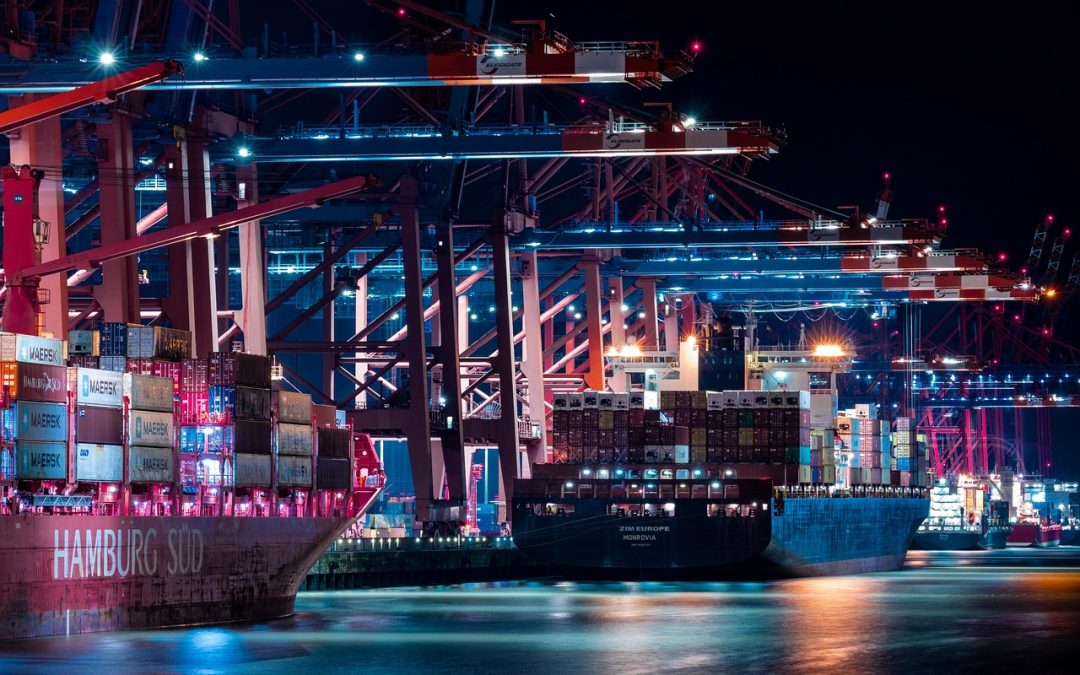
Bea Cukai Padang Panjang plays a crucial role in addressing the complexities surrounding the establishment and operation of a Public Logistics Center (PLB) in Indonesia. As a key institution under the Ministry of Finance, Bea Cukai focuses on customs and excise regulations and significantly impacts trade facilitation. This article delves into how Bea Cukai Padang Panjang offers comprehensive solutions to the challenges faced by PLBs, enhancing their operational efficiency and compliance with legal requirements.
Understanding Public Logistics Centers (PLB)
A PLB is designed to streamline logistics processes within Indonesia, serving as a hub for goods storage, handling, and distribution. PLBs enable import and export activities to occur more efficiently, assisting in reducing costs and boosting economic activity. They play an indispensable role in enhancing Indonesia’s competitiveness in the global market.
Challenges Faced by PLBs
Despite their importance, PLBs often encounter several challenges, including:
-
Regulatory Compliance: Adhering to complex customs regulations can be daunting for PLB operators. Misunderstanding or misapplying codes and regulations can lead to fines, or worse, operational shutdowns.
-
Bureaucratic Hurdles: Navigating the bureaucracy associated with multiple government agencies often leads to delays and increased costs, negatively impacting logistics operations.
-
Infrastructure Limitations: Insufficient infrastructural support can hinder the efficient flow of goods within PLBs. This includes subpar facilities, inadequate transportation options, and limited technology.
-
Training and Expertise: A lack of adequately trained personnel can result in mistakes during the customs clearance process, further complicating operations.
Role of Bea Cukai Padang Panjang
Bea Cukai Padang Panjang addresses these challenges head-on, offering tailored solutions to PLBs. Below are the primary means through which they provide support:
1. Regulatory Guidance and Consultation
Bea Cukai Padang Panjang provides extensive guidance on customs regulations to PLB operators. By facilitating seminars, workshops, and one-on-one consultations, they ensure that businesses understand the legal requirements governing their operations. This proactive approach helps in mitigating risks associated with non-compliance.
2. Streamlined Processes
The introduction of digital services by Bea Cukai has revolutionized customs clearance processes at PLBs. The implementation of the Online Customs Clearance System (OSS) allows for quicker submission of documents, reducing waiting times significantly. This digital transformation is pivotal for accelerating the movement of goods.
3. Enhanced Communication Channels
Effective communication is vital for successful logistics operations. Bea Cukai Padang Panjang fosters better communication between PLBs and customs authorities. This includes establishing dedicated contact points for PLB operators to address any concerns or queries. Enhanced communication leads to fewer misunderstandings and smoother operations.
4. Training Programs for Personnel
Recognizing the need for skilled human resources, Bea Cukai Padang Panjang organizes training programs for PLB employees. These programs focus on customs regulations, document preparation, and logistical operations, thereby improving the overall competency of the workforce. A well-trained staff emerges as one of the most critical assets for any PLB.
5. Infrastructure Development Initiatives
Bea Cukai actively participates in infrastructure advancement projects, often advocating for improvements that directly benefit PLBs. Initiatives include collaborating with other government sectors to enhance transportation networks and ensure that PLBs operate seamlessly within the wider logistics ecosystem.
6. Facilitating Trade Incentives
To further alleviate burdens on PLBs, Bea Cukai Padang Panjang offers trade incentives, such as tax exemptions or reductions on certain imported goods that align with national policies. These incentives can significantly lower operating costs, making it more feasible for PLBs to thrive amid competitive pressures.
Benefits of Partnering with Bea Cukai Padang Panjang
By closely collaborating with Bea Cukai Padang Panjang, PLBs can expect numerous advantages:
-
Increased Efficiency: With streamlined processes, PLBs can operate faster, thus improving turnaround times and reducing operational bottlenecks.
-
Cost Savings: A better understanding of customs regulations and processes minimizes the risk of fines and penalties, ensuring that PLB operations remain cost-effective.
-
Competitive Edge: Enhanced knowledge and operational efficiency equip PLBs with the tools they need to compete effectively in both national and international markets.
-
Improved Stakeholder Trust: Transparent operations and compliance foster trust among stakeholders, including clients, suppliers, and regulatory authorities.
Future Prospects
As Indonesia continues to navigate the complexities of global trade, the role of Bea Cukai Padang Panjang in supporting PLBs will only grow in significance. With ongoing reforms and adjustments to customs regulations, this partnership will likely evolve to encompass more comprehensive solutions tailored to the expanding needs of PLBs.
The constant evolution of logistics and supply chain management necessitates adaptability and innovation. Bea Cukai Padang Panjang is well-positioned to support these changes, ensuring that PLBs can overcome existing challenges and capitalize on future opportunities.
Conclusion
Bea Cukai Padang Panjang stands as a pillar of support for Public Logistics Centers in Indonesia, effectively addressing the myriad challenges they face through regulation compliance, streamlined procedures, training, and infrastructure enhancements. Their proactive approach and commitment to improvement are instrumental in advancing the logistics landscape within Indonesia, facilitating a robust economic environment conducive to growth and efficiency. As PLBs continue to develop, the collaboration with Bea Cukai Padang Panjang remains a critical factor in boosting Indonesia’s standing in the global supply chain.